
What Happens When You Need a Lawyer and Can't Afford One?
Imagine you’ve worked your tail off and finally saved up enough money to buy a car so you can get your kids to school without relying on the unpredictable city bus. Two weeks later, the engine gives up the ghost. It’s a lemon. You stop making payments because, well, the car doesn't work, and now the dealership is suing you for the "deficiency": the money you still owe on a hunk of metal sitting in your driveway. You know you’re being wronged, but you can’t afford a lawyer to help you fight back.
This isn't a hypothetical horror story; it’s a Tuesday for thousands of people across the country. We often assume that if things get "legal," someone will step in to help, but the reality of our justice system is a lot more complicated (and a lot less fair) than what we see on TV.
The Shocking Truth: You Don't Have a Right to a Lawyer
Most of us grew up hearing the famous Miranda warning: "If you cannot afford an attorney, one will be provided for you." We have a landmark Supreme Court case, Gideon v. Wainwright, to thank for that. But here’s the catch: that right only applies to criminal cases.
If you’re accused of a crime and face jail time, the government must provide a lawyer. But if you’re facing a civil issue - like an eviction, a debt collection lawsuit, or a custody battle - you are officially on your own. There is no constitutional right to a lawyer in civil court.
“In the civil world, you can lose your house, your kids, and your livelihood, and the system basically says, ‘Good luck figuring out the paperwork.”
This means that while the stakes are just as high as a criminal trial, the safety net is non-existent. You are expected to navigate complex rules of evidence and courtroom procedures against a professional lawyer who does this for a living. It’s like being told you have to perform your own appendectomy because you can't afford a surgeon.
The "8% Problem" and the Massive Justice Gap
I recently sat down with Robert Doggett, the Executive Director of Texas RioGrande Legal Aid (TRLA), and he dropped a truth bomb that I’m still reeling from. He calls it the "8% problem."
Even if you meet the strict income requirements to qualify for free legal aid, the resources are so thin that organizations like TRLA can only help about 8% of the people who walk through their doors. That means 92% of eligible people, people who are literally at the poverty line, are turned away because there simply aren't enough lawyers or enough money to go around.
"We are essentially a triage unit. We are constantly having to decide which fire is the most life-threatening because we can’t put them all out.": Robert Doggett
This isn't just a Texas problem; it’s a national crisis. Legal aid is a patchwork of underfunded non-profits trying to hold back a flood with a handful of sandbags. When 90% of civil legal needs in a state like Texas go unmet, we don't have a "justice system": we have a system that works for whoever can write a check.
Why Legal Literacy is Literally Survival
So, if the system isn't going to hand you a lawyer, what are you supposed to do? This is where the mission of legal literacy shifts from being a "nice-to-have" skill to a literal survival tool.
When you know how the rules work, you become your own last line of defense. In the story of the woman with the lemon car, she wasn't just losing money; she was losing her ability to function as a parent and a worker. Without a lawyer, her only hope was to understand her rights as a consumer and to know how to respond to the lawsuit before a default judgment ruined her credit forever.
Being legally literate doesn't mean you have to be a lawyer. It means you need to know:
How to read the fine print before you sign.
What to do the second you receive a court notice.
How to find the "self-help" resources that do exist in your county.
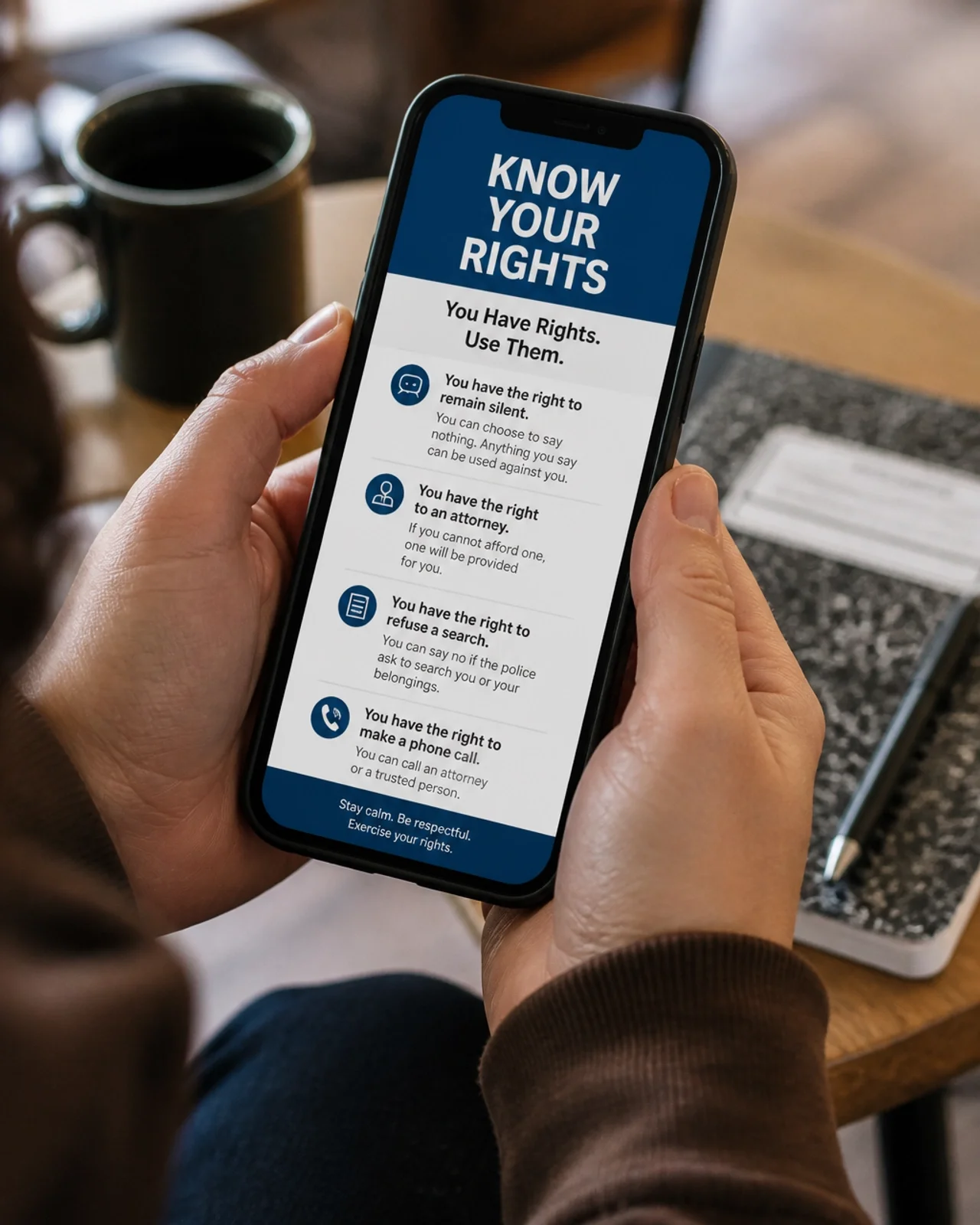
If you wait until you’re standing in front of a judge to realize you’re in over your head, it’s often too late. Knowing the rules before life makes you use them is the only way to level a playing field that is tilted against you.
A Vision for the Future: "TurboTax" for the Law?
Robert Doggett isn't just sounding the alarm; he’s looking for ways to bridge the gap. He talks about a future where we use technology and "paraprofessionals" (think nurse practitioners, but for law) to handle the routine stuff that doesn't require a full-blown law degree.
Imagine a "TurboTax for legal services." A system where you can go online, answer a few questions about your eviction notice or your debt dispute, and have the system generate the correct legal forms for you. It’s about making the law accessible to real people, not just those with deep pockets.
Until that dream becomes a reality, we have to look out for ourselves. We have to stop being intimidated by the jargon and start asking the "wait, is that even legal?" questions.
"The law shouldn't be a secret club with a high entry fee. It's the framework of our entire lives, and we all deserve to understand it.": Brooke Hardie
Connect with Robert Doggett
Robert Doggett is the Executive Director of Texas RioGrande Legal Aid (TRLA), one of the largest and most impactful civil legal aid providers in the country. He has spent his career fighting for the rights of those who the system often forgets.
Website: Texas RioGrande Legal Aid (TRLA)
Support their mission: Donate to TRLA
🎙️ Listen to this episode of Life Is Legal wherever you get your podcasts. If you found it helpful, leave a review, subscribe, and share it with someone who needs to know this stuff.
Want more real-world legal literacy delivered to your inbox? Sign up for Brooke's newsletter at https://brooke-hardie.kit.com/newlsetter
This post is for educational purposes only and does not constitute legal advice. Laws vary by state and situation. For advice specific to your circumstances, consult a licensed attorney in your area.
