
They’re Taking My Land—Now What? Your Eminent Domain Survival Guide
You paid your mortgage every month. You never missed a property tax deadline. You did everything right.
And then one day, a letter shows up telling you the government—or some pipeline company—wants to take part of your land.
Can they actually do that?
Yes. And it’s not buried in the fine print. It’s right there in the Fifth Amendment of the U.S. Constitution: “Nor shall private property be taken for public use, without just compensation.”
That’s the rule. You may not always be able to stop them from taking your property—but you don’t have to roll over and accept whatever number shows up in that first offer. Not even close.
That’s exactly what trial attorney David Todd broke down in Episode 14 of the Life Is Legal podcast. David has spent nearly 30 years fighting for landowners in eminent domain cases across Texas—here’s what you need to know before you sign, or accept, anything.
What Is Eminent Domain, Anyway?
Eminent domain is the legal power that allows the government—or sometimes private companies operating with government authority—to take your property for a public use, as long as they pay you fair compensation.
It traces back to Roman tradition, British common law, and ultimately both the U.S. Constitution and the Texas Constitution. The Fifth Amendment is the one everyone knows for “pleading the fifth,” but there’s a clause tacked right on the end that most people never think about until it affects them personally.
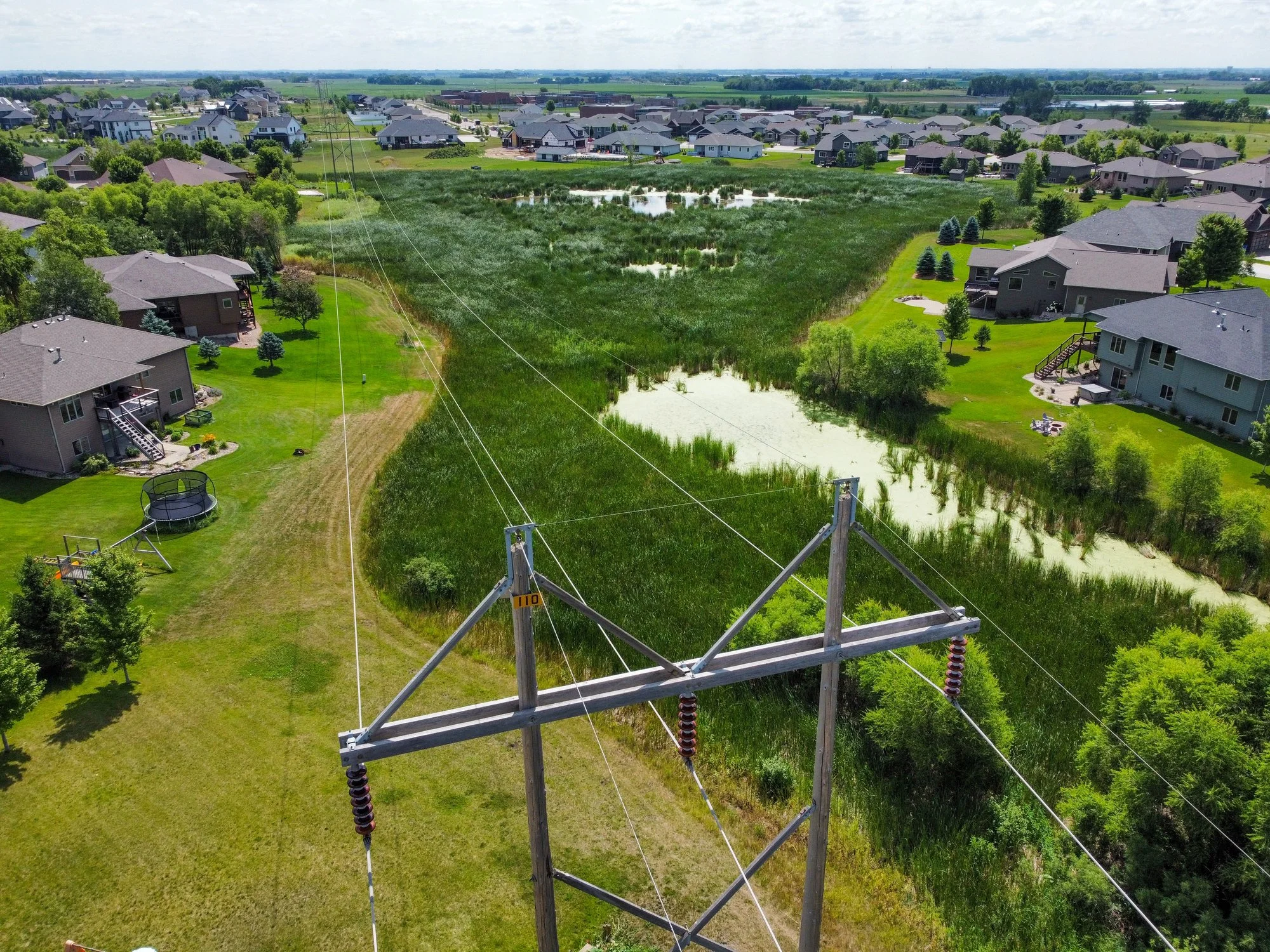
Classic examples in Texas? Road expansions—highways being widened as cities grow. Utility lines, sewer projects, and drainage systems. And then there are oil and gas pipelines, which is where things get controversial.
A private company, planning to profit from a pipeline crossing your land, can borrow government authority to make it happen. David explained it: pipeline operators go through the Texas Railroad Commission, which authorizes the taking on the grounds that natural gas serves the public. Whether that reasoning sits right with you is another conversation. Legally, it stands.
How You Find Out Your Land Is in the Crosshairs
Most landowners first get wind of a project through one of a few channels:
A public meeting announcement about a proposed project or pipeline route
A request from the company to survey your property
A phone call or letter directly from the project operator
A heads-up from an eminent domain attorney who tracks these projects and found your name in the path
Eventually, if your land is being taken, you’ll receive a formal offer packet under the Texas Property Code. Inside: a number they want to pay you, and eventually an appraisal explaining how they arrived at it.
That packet is not your final answer. It’s your starting point.
“They shouldn’t just take what’s in the packet necessarily.”
What “Just Compensation” Actually Means
Here’s where most people leave money on the table: they assume fair compensation means the value of the land being taken. It’s actually three separate things.
1. The Take — The market value of the land being taken. This is typically a battle of comparable sales and appraisals. Both sides bring their own experts.
2. Cost to Cure — Whatever gets broken, removed, or disrupted in the process that has to be repaired or replaced. Fences, cattle guards, irrigation systems, drainage, security lighting, structural changes—all of it counts.
3. Remainder Damages — This is often the biggest number and the most overlooked. It’s the impact on the value of the property you still own after the project is done. A pipeline running across the middle of your land affects what a future buyer will pay for what’s left.
Even proximity can matter. A noisy pumping station next door, a data center with massive cooling units running around the clock, a project that permanently alters your drainage—all of these can have real, calculable impacts on property value. And some may give rise to an inverse condemnation claim—where you can seek compensation even without a direct taking.
The Condemnation Process, Step by Step
If you don’t accept the initial offer (and David would suggest you probably shouldn’t), here’s what the process looks like in Texas.
Wait for the appraisal. Before doing much else, David recommends holding off until the condemning authority provides their appraisal. It tells you exactly where they’re crossing your property and how they’re valuing it.
The condemnation lawsuit. If no settlement is reached, the condemning authority—the government agency or company—files a lawsuit against you. You become the defendant in a civil case. Unsettling, yes. But it’s also how the process gets formalized.
Special Commissioners Hearing. Three court-appointed commissioners hear both sides and award a compensation number, usually the same day. Here’s the Texas catch: once that number is deposited with the court, the condemning authority can take possession and begin construction—even while you’re still fighting over the amount. Texas is a “quick take” state.
File your objection. You have 20 days to object to the commissioner’s number. So does the condemning party. Either side can push it back into full civil litigation. David’s take: in most cases, it’s better to skip the hearing, file the objection, and take it to mediation or trial where you have real leverage.
Discovery and mediation. Like any civil case—depositions, evidence exchange, expert reports. Courts require mediation before trial, and David says roughly 9 out of 10 cases settle at or after mediation.
Trial. If no settlement is reached, you go before a jury. David’s philosophy: always prepare as if you’re going to trial. That preparation is your leverage at every earlier step.
“You have to take it from day one as if you’re going to have to go to trial.”
Do You Need a Lawyer? (And What Does It Cost?)
You can negotiate on your own—but David is honest about the odds when you’re going up against a company that does this professionally, with engineers, appraisers, and attorneys all working the same project.
His firm handles eminent domain cases on contingency—meaning:
No upfront legal fees
No portion taken from the original offer—that was already on the table before they got involved
One-third of whatever they recover above that initial number
You cover expert costs (appraisers, land planners)—typically known upfront and often returned many times over
Average timeline for cases David handles: about nine months from engagement to resolution, assuming it doesn’t go to trial. And you’ll almost certainly need your own appraiser—eminent domain valuation is a specialty, not a standard home appraisal, and the right expert makes a meaningful difference.
That Survey You Never Read? Now’s the Time
Brooke asked David about something plenty of homeowners have experienced—fiber optic work showing up in their front yard with little warning. Surprise: you may not own all the way to the street.
Most city properties have an easement running along the edge of the lot that belongs to the city for utility purposes. It’s on your property survey—the document you probably glanced at once at closing and never thought about again. Google Fiber and similar installations typically operate in that city easement, not technically on your property.
Moral of the story: pull out your survey. Know what you actually own.
The Bottom Line
Eminent domain is real, it’s legal, and it’s one of those situations where showing up uninformed is genuinely costly. The government or a utility company can take your land—but they have to pay you fairly for what that taking does to your property, your livelihood, and the value of what’s left. That number is often significantly higher than what’s in the first packet.
Getting informed early—before decisions are made or offers are accepted—is where the real protection happens. Knowledge isn’t just power here. It’s money.
Connect with David Todd
David Todd is a trial attorney based in Austin, Texas, with nearly 30 years of experience representing landowners in eminent domain cases statewide. His firm works exclusively on contingency for landowners.
Website: www.davidtoddlaw.com
Free Video Guide: Step-by-step condemnation process walkthrough at davidtoddlaw.com
Free Landowner Handbook: Texas Eminent Domain Handbook — davidtoddlaw.com
Watch or Listen to Episode 14
Enjoyed This Episode?
If this one made you want to pull out your property survey (you should), share it with someone who owns land, has aging parents navigating property issues, or just got a letter they don’t know what to do with.
▶ Listen to Life Is Legal wherever you get your podcasts
★ Leave a review on Apple Podcasts or Spotify—it helps more people find plain-English legal education
🔁 Share this episode with a homeowner, a landowner, or anyone who’s ever gotten a government notice and had no idea what it meant
Because life is legal—and you gotta know the rules.
Get the Legal Brief Newsletter
Want plain-English legal insights in your inbox? Brooke’s newsletter covers the legal side of real life—the stuff you actually need to know before something goes sideways.
👉 Sign up here: brooke-hardie.kit.com/newlsetter
Legal Disclaimer
The views and opinions expressed on Life Is Legal are those of Brooke Hardie and her guests and are provided for informational and educational purposes only. Nothing in this post or the accompanying podcast episode constitutes legal advice or is intended to substitute for professional legal counsel. Laws vary by state and individual circumstances. If you are facing an eminent domain situation, please consult a qualified attorney in your jurisdiction.
